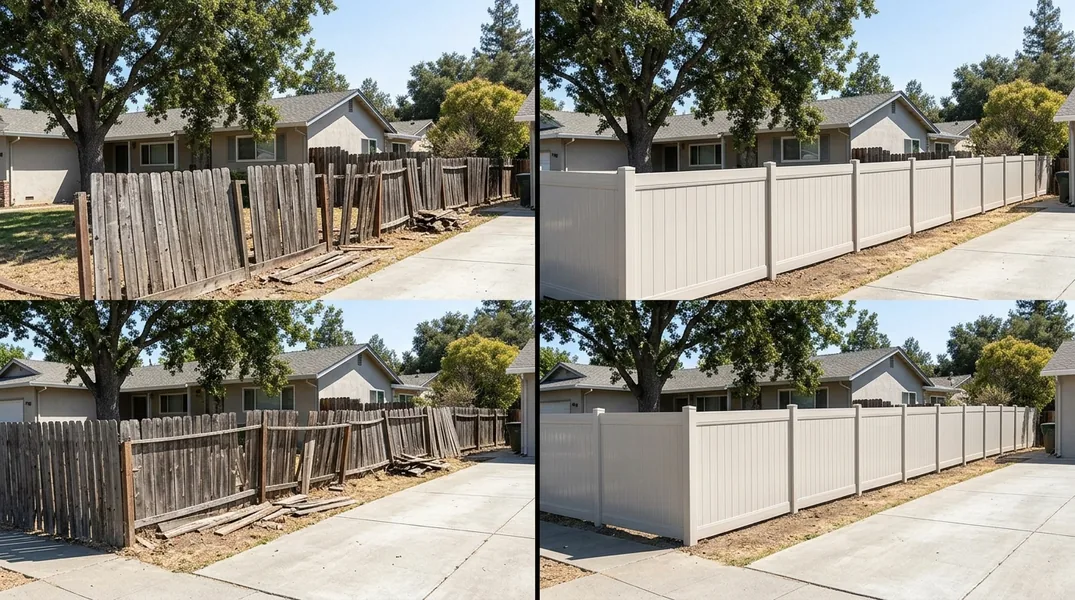
Understanding HOA Fence Requirements in San Jose
If you own a home in a homeowners association (HOA) community in San Jose, you already know that most HOAs maintain strict guidelines about property appearance and modifications. Fence installation is one of the most regulated home improvements in HOA-governed neighborhoods. Before you even think about hiring a contractor, it's essential to understand what your specific HOA expects from any fence you plan to install.
HOAs typically require homeowners to submit architectural approval requests before beginning fence work. This process exists to maintain neighborhood aesthetics and property values. Most San Jose HOAs will want to review the fence material, color, height, style, and placement before you break ground. Some communities are very strict about these requirements, while others offer more flexibility. The key is to check your CC&Rs (Covenants, Conditions, and Restrictions) and contact your HOA board early in the planning process.
Vinyl vs Wood Fence: What HOAs Typically Prefer
When it comes to choosing between Vinyl & PVC Fence Installation and Wood & Privacy Fence Installation, most HOAs in the Bay Area have clear preferences. The answer isn't always straightforward, as it depends on your specific community's architectural guidelines and aesthetic goals. However, understanding the differences between these two popular options will help you make an informed decision that satisfies both your needs and your HOA's requirements.
Vinyl fences have become increasingly popular in HOA communities over the past decade. They offer a clean, uniform appearance that many HOAs find appealing because they maintain their look year after year without the weathering and variation that wood develops. Vinyl comes in standard colors like white, tan, and gray, which fit easily into most neighborhood design schemes. The uniformity and predictability of vinyl make it easier for HOA boards to approve installations, knowing that the fence will look the same in five years as it does on day one. Additionally, vinyl's consistent appearance across multiple properties creates the kind of cohesive neighborhood aesthetic that HOAs value.
Wood fences, on the other hand, offer a more natural, classic appearance that appeals to homeowners seeking warmth and character. Some HOAs embrace wood fences, particularly in communities with a more traditional or rustic aesthetic. However, wood requires more consideration during the approval process because HOAs need to ensure that the wood quality, stain color, and maintenance plan will keep the fence looking good. Wood can weather, fade, and require staining or sealing every few years, which concerns some HOA boards. If your community allows wood, be prepared to discuss your maintenance plan with the board and demonstrate your commitment to keeping the fence in excellent condition.
Best Low Maintenance Fence Options for HOA Compliance
One of the biggest concerns HOAs have about fence installations is long-term maintenance. A poorly maintained fence reflects negatively on the entire neighborhood and can decrease property values. This is why many HOA communities actively favor the best low maintenance fence materials available. If you're looking to satisfy your HOA while minimizing your own maintenance burden, understanding which materials require the least upkeep is crucial.
Vinyl fencing stands out as the champion of low-maintenance options. Unlike wood, vinyl doesn't require annual staining, sealing, or painting. It won't rot, splinter, or attract termites. A simple occasional wash with a garden hose is typically all that's needed to keep a vinyl fence looking pristine. This minimal maintenance requirement appeals strongly to HOA boards because it ensures the fence will maintain its appearance without ongoing homeowner effort. Most HOAs appreciate that vinyl fences stay looking new for decades, which protects neighborhood curb appeal and property values.
If your HOA allows wood fencing, understand that this option requires significantly more maintenance commitment. You'll need to plan for regular staining or sealing, typically every two to three years in the San Jose climate. Wood can develop mildew, weathering, and discoloration without proper care. Some HOAs will require you to submit a maintenance plan before approving a wood fence installation. Aluminum & Ornamental Iron Fencing is another low-maintenance option that some HOAs prefer, particularly for front-yard applications. Aluminum requires minimal maintenance and offers an elegant appearance that many communities find attractive.
Vinyl vs Wood Fence Cost: Budgeting for HOA Approval
Budget considerations play a significant role in fence selection, and understanding the vinyl vs wood fence cost difference is essential for planning your project. When you factor in both initial installation expenses and long-term maintenance costs, the financial picture becomes more complex than simply comparing upfront pricing.
Vinyl fencing typically costs more upfront than wood fencing. A vinyl fence installation in San Jose generally ranges from $25 to $40 per linear foot, depending on the style, height, and quality of materials. Wood fencing usually costs between $15 and $30 per linear foot initially. However, this initial cost difference becomes less significant when you factor in maintenance expenses over time. A wood fence requires regular staining, sealing, and occasional repairs, which can add up to several hundred dollars every few years. Vinyl, requiring virtually no maintenance beyond occasional cleaning, eliminates these recurring costs entirely.
Over a 20-year period, many homeowners find that vinyl actually provides better long-term value despite the higher initial investment. If you're planning to stay in your home for many years, vinyl's durability and minimal maintenance requirements often justify the higher upfront cost. Additionally, many HOAs view vinyl as a more responsible choice because it won't deteriorate and create an eyesore that violates neighborhood standards. When presenting your fence plan to your HOA for approval, consider discussing the total cost of ownership rather than just the installation price. This demonstrates thoughtful planning and commitment to maintaining your property to HOA standards. For a detailed understanding of what your specific project might cost, contact San Jose Fence Company at (669) 274-3266 or request a free estimate.
HOA Approval Process: What to Expect and How to Prepare
Successfully navigating the HOA approval process requires preparation, documentation, and clear communication. Most San Jose HOAs follow a similar process, though specific requirements vary by community. Understanding the general framework will help you move through approval more smoothly and increase the likelihood of getting your fence project approved on the first submission.
Begin by obtaining a copy of your HOA's architectural guidelines and CC&Rs. These documents outline exactly what the board expects from fence installations, including acceptable materials, colors, heights, and styles. Some communities have pre-approved fence styles and colors that you can select from, which streamlines the approval process significantly. Once you understand the requirements, prepare a detailed proposal including the fence material, dimensions, color, placement, and style. Include photos or renderings if possible. Many HOAs now use online portals for architectural requests, making submission easier than ever.
When submitting your request, be thorough and professional. Provide measurements, material specifications, and photos of similar installations if available. If you're choosing between vinyl and wood, explain your selection rationale, particularly regarding maintenance and long-term appearance. HOA boards appreciate homeowners who demonstrate they've thoughtfully considered the community's aesthetic standards. If your first submission is denied, ask for specific feedback and be prepared to modify your plans accordingly. Most boards want to approve reasonable requests that comply with community standards.
Working With Experienced Installers Who Understand HOA Standards
One of the smartest decisions you can make is hiring a fence contractor who understands HOA requirements and has experience working in deed-restricted communities. San Jose Fence Company specializes in helping homeowners navigate the intersection of personal preference and HOA compliance. Our team has installed countless fences in HOA communities throughout the region and understands the specific standards different boards maintain.
When you work with experienced installers, you benefit from their knowledge of what HOAs typically approve. They can advise you on material selection, color choices, and placement strategies that satisfy both your needs and your community's requirements. Professional installers also ensure that your fence is built to the exact specifications approved by your HOA, preventing costly mistakes or required modifications after installation begins. If you're unsure about your HOA's expectations or want expert guidance on the best material choice for your community, San Jose Fence Company can help. Contact us at (669) 274-3266 or request a free estimate today. We'll assess your property, review your HOA guidelines, and recommend the fence solution that delivers the best balance of aesthetics, durability, and compliance with your community's standards.
Looking for a professional fence contractor in San Jose? San Jose Fence Company responds fast for all your fence needs.
Get a Free Quote