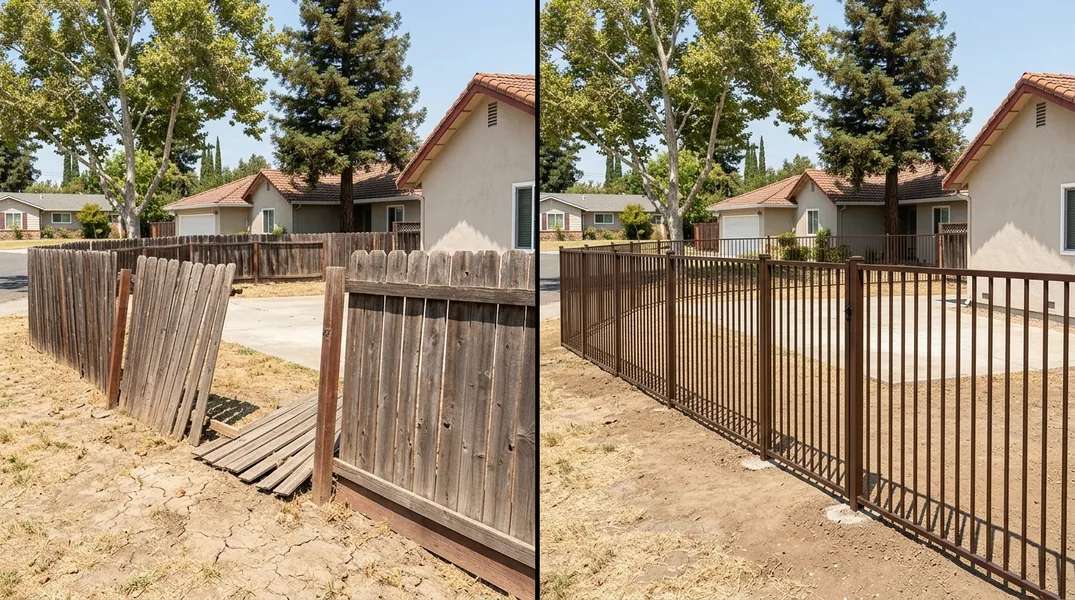
Understanding Eichler Courtyards and Fence Boundaries
San Jose's iconic Eichler tracts represent some of the most distinctive mid-century modern architecture in California. These homes, built primarily from the 1950s through the 1970s, are characterized by their open floor plans, clerestory windows, and central courtyards that blur the line between indoor and outdoor living. However, this architectural charm comes with a unique challenge for homeowners: managing fences and boundaries within tightly planned neighborhoods where properties often sit close together.
The central courtyard design of Eichler homes creates a natural focal point for family gatherings, gardens, and outdoor entertaining. Yet many San Jose Eichler owners discover that their courtyards lack adequate privacy screening from neighboring properties. Understanding how to properly fence a courtyard while respecting property lines and local regulations is essential before investing in any fencing project. This is where knowledge of neighbor fence law and property line rules becomes critical to avoiding costly disputes.
Who Pays for a Fence Between Neighbors: Legal Basics
One of the most common questions homeowners ask is, 'Who pays for fence between neighbors?' The answer depends on several factors, including your local ordinances, the fence's location, and whether both neighbors agree the fence is necessary. In California, the general principle is that if you want a fence, you typically bear the cost of building it on your own property. However, if the fence sits directly on the property line and serves a mutual benefit, some jurisdictions allow for cost-sharing arrangements.
Before installing any courtyard fence in San Jose, consult your local municipal code and consider having a professional survey completed to confirm the exact property line. Many disputes arise simply because homeowners assume where the boundary lies without verification. If you're planning to install a Wood & Privacy Fence Installation project, confirming these details upfront protects you legally and maintains good neighbor relations. Some homeowners choose to approach neighbors about sharing costs if both parties benefit from the fence, though this is never legally required unless your city has specific ordinances addressing shared boundary fences.
Fence on Property Line: Placement and Regulations
Placing a fence directly on the property line is a common practice, but it requires careful planning and adherence to local setback requirements. In many areas, fences must be set back slightly from the actual property line, often by 6 inches to 2 feet, depending on local code. This setback requirement serves practical purposes: it allows for maintenance access, prevents disputes over ownership, and protects utility lines that may run along or near the boundary.
When planning a fence on property line in your Eichler courtyard, you'll need to determine whether your city requires the fence to be set on your side of the line or centered on it. This distinction matters both legally and practically. A fence set entirely on your property is unquestionably yours to maintain and replace, while a fence on the line may create ambiguity about maintenance responsibilities. San Jose Fence Company recommends obtaining a property survey before installation to avoid costly repositioning later. Additionally, check with your homeowners association, as many Eichler communities have architectural guidelines that govern fence height, materials, and placement. These restrictions exist to preserve neighborhood character and property values, and violating them can result in fines or mandatory removal of non-compliant installations.
Good Neighbor Fence: Building Relationships While Building Barriers
The concept of a good neighbor fence extends beyond legal compliance to encompass communication, fairness, and mutual respect. Before driving a single stake into the ground, have a conversation with your neighbors about your fencing plans. Explain why you want the fence, show them designs, and listen to their concerns. Many neighbor disputes could be prevented through simple, honest dialogue conducted before construction begins. A good neighbor fence is one where both parties feel heard and respected, even if they don't share the cost.
If you're considering a Wood & Privacy Fence Installation for your Eichler courtyard, invite your neighbor to view the fence style and materials you've chosen. Discuss maintenance expectations, as wood fences require regular staining or sealing to prevent deterioration. Some neighbors appreciate the aesthetic of a finished side facing their property, while others are satisfied with the structural side. These conversations, while they may feel awkward, almost always strengthen neighborhood relationships and prevent future conflicts. If a neighbor expresses genuine concerns about the fence, consider whether modifications might address their worries without compromising your privacy goals. This collaborative approach often leads to solutions that benefit everyone.
Neighbor Fence Law in San Jose: Key Regulations to Know
California state law provides a framework for fence disputes, but individual cities and counties add their own requirements. San Jose's municipal code addresses fence height, setback distances, materials, and maintenance responsibilities. Generally, residential fences in San Jose cannot exceed 6 feet in height in rear yards, though front yard fences are often limited to 4 feet. Decorative fences may have different height allowances, and some Eichler neighborhoods have additional restrictions through CC&Rs (Covenants, Conditions, and Restrictions).
Understanding neighbor fence law protects you from costly legal battles and ensures your investment is protected. For example, if you install a fence that violates city code, the city may order its removal at your expense, or a neighbor may file a lawsuit. Conversely, knowing your rights helps you respond appropriately if a neighbor's fence encroaches on your property or violates regulations. Before beginning your project, contact San Jose's Planning Department or review their online resources to confirm current requirements. San Jose Fence Company stays current with all local regulations and can guide you through the permitting process. Many homeowners are surprised to learn that a free estimate from a licensed local contractor includes a review of applicable codes and recommendations for compliance. This professional guidance saves time, money, and headaches down the road.
Wood & Privacy Fence Installation Cost in San Jose: What to Budget
The cost of a privacy fence for your Eichler courtyard depends on several variables: the length of fence needed, the height, material quality, site conditions, and local labor rates. Wood fencing, the most popular choice for courtyard privacy in San Jose, typically ranges from $25 to $60 per linear foot installed, though premium materials or complex designs may cost more. A typical 40-foot courtyard fence might range from $1,000 to $2,400 or higher, depending on these factors. Vinyl and composite materials cost more upfront but require less maintenance, while Chain Link Fence Installation offers a budget-friendly alternative if privacy is less critical.
When evaluating pricing for your project, remember that the cheapest option isn't always the best value. A well-installed wood fence using quality materials will serve your Eichler home for 15 to 20 years with proper maintenance, while a poorly constructed fence may fail within 5 years. Professional installation by San Jose Fence Company includes proper post setting, level installation, and compliance with local codes, all of which extend your fence's lifespan. To get an accurate estimate for your specific courtyard, contact us at (669) 274-3266 or request a free estimate online. We'll assess your property, discuss your privacy and aesthetic goals, and provide transparent pricing with no hidden fees.
Looking for a professional fence contractor in San Jose? San Jose Fence Company responds fast for all your fence needs.
Get a Free Quote